
Call Center service - Phone answering service news

How Call Center Integration Creates Faster, Smarter Customer Service
Modern customers expect fast, accurate, and personalized support whenever they contact a business. Whether they are calling about a product, service, order, appointment, or support issue, they expect the company to understand their needs quickly and provide the right response.
However, when customer information, communication tools, CRM systems, and internal business processes operate separately, customer service teams can lose valuable time searching for information, transferring calls, repeating questions, or switching between multiple systems.
This is where call center integration becomes important.
By connecting communication tools with CRM platforms, customer records, internal workflows, reporting systems, and business applications, companies can create a faster, more organized, and more efficient customer service experience.
What Is Call Center Integration?
Call center integration is the process of connecting a call center or phone support system with other business tools and customer service platforms.
Instead of handling calls in one system and customer information in another, integration allows these systems to work together.
For example, when a customer calls, the support representative may be able to instantly view:
- Customer name and contact information
- Previous calls and conversations
- Purchase or order history
- Open support requests
- Appointment details
- CRM records
- Notes from previous interactions
This reduces the need to manually search for information and helps representatives understand the customer before or during the conversation.
Why Disconnected Customer Service Systems Create Problems
Many businesses use several tools to manage daily operations. One platform may handle phone calls, another may manage customer records, while another handles orders, appointments, billing, or support tickets.
When these systems are not connected, employees may have to move between multiple applications during every customer interaction.
This can create several problems, including:
- Longer customer wait times
- Repeated questions
- Unnecessary call transfers
- Inconsistent customer information
- Slower response times
- Increased manual work
- Greater risk of human error
- Poor visibility into customer history
For customers, these delays can be frustrating. For employees, they can make customer service more complicated and time-consuming.
An integrated call center helps reduce these problems by creating a more connected workflow.
How Call Center Integration Improves Business Efficiency
One of the biggest benefits of call center integration is improved business efficiency.
When employees can access the information they need from one connected environment, they spend less time searching through different systems.
For example, a customer service representative may receive a call and immediately see the customer's profile, previous interactions, recent orders, and support history.
This allows the representative to focus on solving the customer's problem instead of gathering basic information.
Integration can also reduce repetitive manual tasks by automatically transferring information between systems.
This can help businesses:
- Reduce administrative work
- Improve employee productivity
- Handle more customer interactions
- Reduce unnecessary call transfers
- Improve first-call resolution
- Maintain more accurate customer records
- Improve communication between departments
For growing businesses, these improvements can become increasingly important as customer communication volume increases.
Support Business Growth Without Making Customer Service More Complicated
As businesses grow, customer communication usually increases.
More customers can mean more phone calls, more support requests, more follow-ups, and more information for employees to manage.
Without the right systems, customer service processes can become increasingly difficult to control.
Call center integration helps businesses create a more scalable customer service operation.
Instead of continuously adding manual processes, companies can use connected systems and automation to manage higher communication volumes more effectively.
This can be especially valuable for growing companies that want to improve customer service without creating unnecessary operational complexity.
Key Features of a Modern Integrated Call Center
A modern call center solution may include several connected capabilities, such as:
- Intelligent call routing
- CRM integration
- Customer history
- Automated workflows
- Call tracking
- Call recording
- Reporting and analytics
- Customer interaction management
- Remote support capabilities
- Call queue management
- Follow-up automation
- Business system integration
The exact features a company needs will depend on its industry, customer volume, and support requirements.
Customer Engagement Business Efficiency Call Center Integration
Try 17 Meeting Call Center Service for free
Related News
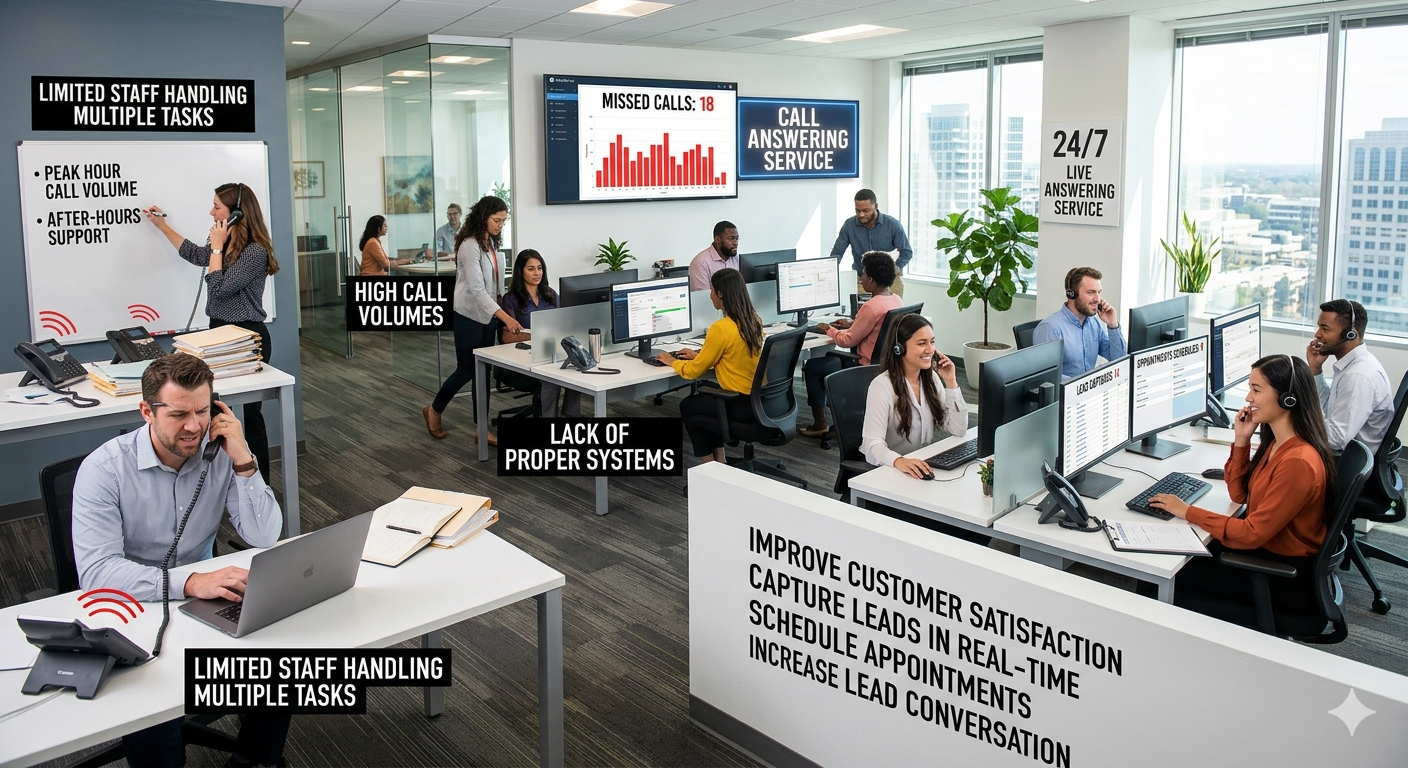
Missed Calls = Lost Reven..
Why Businesses Miss Calls More Often Than They Think
There are several common reasons why businesses fail to answer ca..
Read More
How Live Answering Servic..
Discover how a live answering service can transform your business by ensuring no call goes unanswered, boosting customer satisfaction, and building..
Read More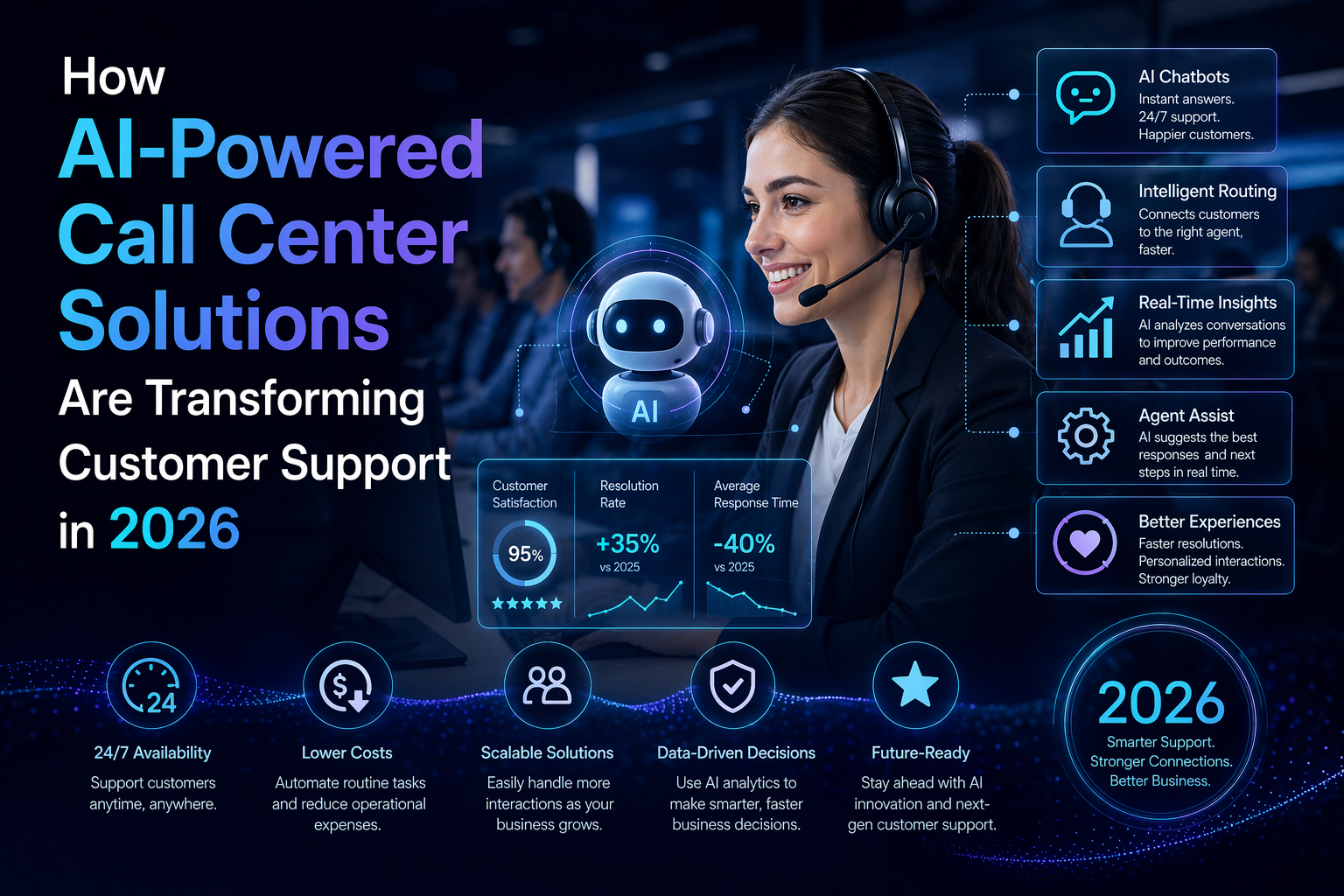
How AI-Powered Call Cente..
AI-powered call center solutions are revolutionizing customer support in 2026 by enhancing efficiency, personalization, and scalability. With techn..
Read More